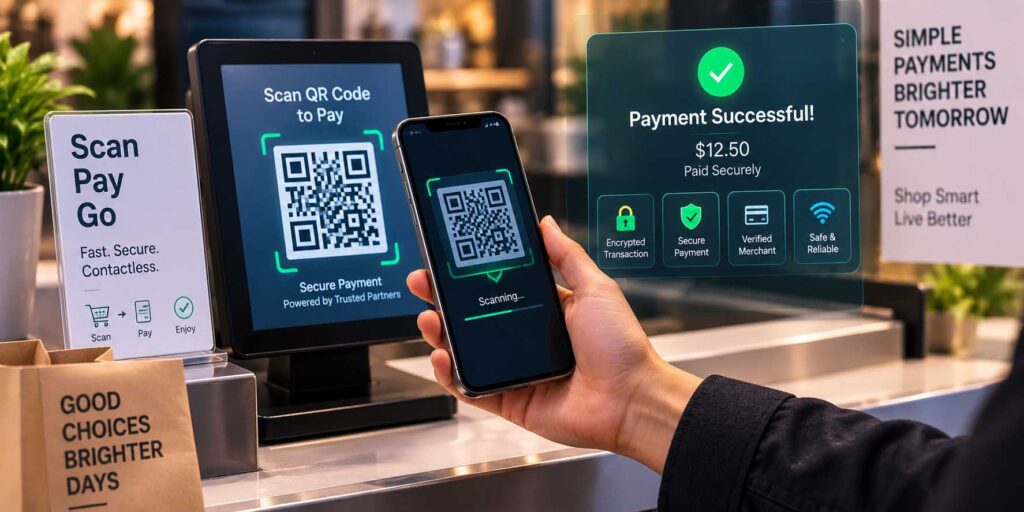

As digital commerce continues to evolve rapidly, businesses and online platforms require frictionless, secure, and universally accessible payment processing methods. Consumers expect to complete purchases instantly without navigating complicated multi-step checkouts. QRIS payment integration benefits provide merchants and service providers with a unified transaction framework that simplifies payments, reduces operational friction, and enhances overall financial transparency.
Understanding how standardized QR codes operate, why interoperability matters, and what advantages automated checkout systems offer allows digital platform operators to optimize their payment workflows effectively.
The Core Mechanics of QR-Based Payments
Standardized quick response payment frameworks are designed to consolidate multiple payment service providers into a single, universally scannable code. Instead of requiring separate merchant accounts or distinct gateways for every digital wallet or mobile banking app, a single unified QR code handles incoming transactions seamlessly.
When a user initiates a checkout, they simply scan the code using any participating mobile application, authorize the transfer, and receive instant confirmation. This streamlined mechanism eliminates manual data entry errors and accelerates transaction completion times significantly.
Key Operational Advantages for Digital Merchants
Integrating standardized digital payment protocols delivers several measurable benefits for online platforms and digital service providers:
- Universal Interoperability: Customers can pay using their preferred banking app or digital wallet without encountering compatibility barriers.
- Instant Verification: Automated transaction clearing allows merchants to confirm payments instantly, reducing fulfillment delays.
- Reduced Infrastructure Costs: Maintaining a single standardized payment gateway lowers technical overhead compared to supporting dozens of fragmented proprietary checkout systems.
Managing Digital Platforms and Automated Processing
Handling high volumes of digital transactions and ensuring rapid account crediting requires sophisticated backend infrastructure and reliable payment routing systems.
When exploring how modern digital platforms manage automated financial settlements, optimize user checkout flows, and maintain seamless backend operations across online networks, utilizing verified transaction portals—such as exploring the situs dengan sistem auto proses infrastructure directory—illustrates how digital services coordinate automated processing workflows, though underlying payment gateways, verification protocols, and platform architectures vary widely across individual networks.
Best Practices for Implementing Digital Payment Gateways
To ensure that payment integration remains secure, reliable, and user-friendly, platform operators should follow structured implementation guidelines:
- Prioritize End-to-End Encryption: Ensure that all payment data and transaction callbacks are protected using advanced cryptographic protocols to prevent interception.
- Implement Real-Time Logging: Maintain comprehensive, immutable transaction logs to audit payment statuses and quickly resolve any failed or pending transfers.
- Optimize Mobile Checkout Layouts: Ensure that payment instructions, QR codes, and confirmation screens render cleanly on mobile devices of all screen sizes.
Common Questions About QR Payment Integration
What is QRIS?
QRIS is a standardized QR code framework designed to integrate various digital payment services, allowing a single code to accept transactions from multiple different banking and wallet applications.
How does automated payment processing improve user experience?
Automated processing eliminates manual payment verification delays, allowing user accounts to be credited or service orders to be fulfilled instantly upon successful transaction authorization.
Is QR code payment security reliable?
Yes. When paired with encrypted transport protocols and secure tokenized authentication, QR-based payments offer a high level of transaction security and fraud protection.
Conclusion
QRIS payment integration benefits digital platforms by providing a fast, secure, and universally compatible transaction framework. By streamlining checkout pathways, reducing processing overhead, and leveraging automated verification systems, merchants can deliver superior user experiences while maintaining robust financial security.
